


Learn about Rechtsformen Vergleich GmbH UG for your 2026 business plan. Expert insights on choosing the right legal structure.
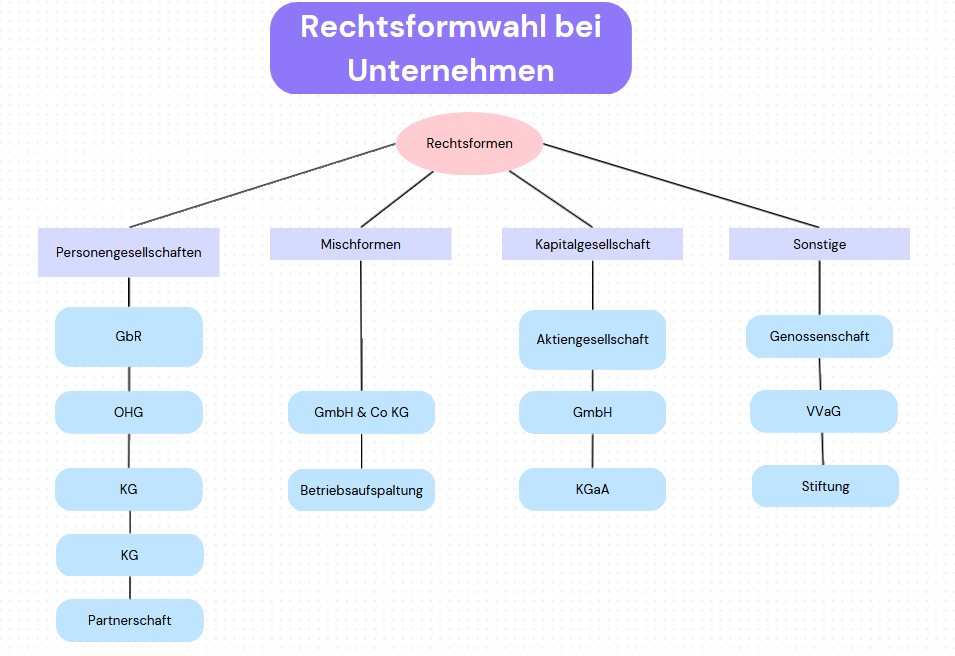
A solid business plan remains the bedrock of any successful venture. For 2026, the principles endure, but the market context and regulatory landscape evolve. From my years advising startups and established firms, I’ve seen firsthand how a well-structured plan attracts investment and guides operational strategy. It’s more than just a document; it’s a living roadmap. Preparing this plan requires attention to detail, especially when selecting your legal form.
Key Takeaways:
- A 2026 business plan requires updated market analysis and a clear vision for scalability.
- The legal structure choice, like in a Rechtsformen Vergleich GmbH UG, significantly impacts liability, capital requirements, and administrative effort.
- GmbH (limited liability company) offers robust protection but demands higher initial capital (€25,000).
- UG (entrepreneurial company with limited liability) is a “mini-GmbH” ideal for startups with minimal capital, starting from €1.
- Understanding the legal implications is crucial for international operations, including potential expansion to the US.
- Your business plan should articulate not just financials, but also your team’s expertise and long-term strategic goals.
- Regular review and adaptation of the business plan are vital for sustained growth and market responsiveness.
Strategic Implications of Rechtsformen Vergleich GmbH UG for Growth
Selecting the correct legal form is a foundational decision that impacts every facet of a business, from fundraising to daily operations. When founders evaluate a Rechtsformen Vergleich GmbH UG, they are primarily comparing two German legal structures designed for capital-based companies. The GmbH (Gesellschaft mit beschränkter Haftung) is the traditional choice, well-regarded for its limited liability for shareholders. This means personal assets are protected, a significant advantage for entrepreneurs. However, it requires a minimum share capital of €25,000, which can be a barrier for early-stage ventures.
The UG (Unternehmergesellschaft haftungsbeschränkt) emerged as a more accessible alternative. Often called a “mini-GmbH,” it provides the same limited liability protection but can be founded with as little as €1 in share capital. This low entry barrier makes it popular among startups and small businesses. A key requirement for the UG is to accumulate 25% of its annual net profit into reserves until it reaches the €25,000 capital of a full GmbH, at which point it can formally convert. The choice between them isn’t just about initial cost; it reflects business maturity, perceived credibility, and long-term capital strategy.
Crafting Your Vision: The Core Elements of a 2026 Business Plan
Beyond legal structures, a robust 2026 business plan must articulate a clear vision and practical steps for execution. It should start with a compelling executive summary, offering a concise overview of the entire plan. Following this, a detailed company description outlines the business nature, mission, and unique value proposition. Market analysis is critical, requiring up-to-date data on industry trends, target audience demographics, and competitive landscape. This section should clearly define your market entry strategy and how you plan to gain market share.
Operational plans detail the day-to-day workings, including production processes, supply chain management, and technological infrastructure. The management team section introduces key personnel, highlighting their experience and roles, building trust and demonstrating capability. Finally, financial projections — including income statements, balance sheets, and cash flow forecasts for at least three to five years — are essential. These projections must be realistic, grounded in assumptions explained clearly. Understanding your financial needs is paramount, whether seeking seed capital or growth funding.
Essential Considerations in the Rechtsformen Vergleich GmbH UG
When founders engage in a Rechtsformen Vergleich GmbH UG, several factors beyond initial capital deserve scrutiny. Credibility often plays a role; a GmbH, with its higher capital requirement, can sometimes be perceived as more stable and established, especially by banks, investors, and larger clients. This perception can be vital when negotiating contracts or seeking significant financing. For instance, if you plan to expand internationally, especially into markets like the US, where limited liability corporations are common, the structure’s clarity and robustness matter.
Administrative burdens also differ. While both structures share similar ongoing compliance obligations, the UG’s specific rules for capital accumulation add another layer of management until it converts to a GmbH. Moreover, exit strategies can be influenced. Selling shares in a GmbH is straightforward, and its established format is readily understood by potential acquirers. For a UG, its “mini-GmbH” status might warrant explanation in acquisition scenarios, though it doesn’t preclude successful exits. A thorough comparison requires weighing these administrative, perception, and long-term strategic implications.
Navigating the Rechtsformen Vergleich GmbH UG for Long-Term Success
Making an informed decision in the Rechtsformen Vergleich GmbH UG is crucial for a venture’s sustained success. For startups with limited initial capital, the UG provides an excellent launchpad, allowing entrepreneurs to test their ideas and build traction without a massive upfront investment. It’s a mechanism to operate with limited liability while working towards a more substantial capital base. Many successful companies started as UGs and later converted, a testament to its practical utility.
However, for businesses needing immediate high credibility, or those with significant external funding requirements from the outset, the GmbH might be the preferred option. Its mature structure often aligns better with institutional investors’ expectations. Furthermore, understanding the legal nuances associated with each form is paramount. This includes aspects like shareholder agreements, profit distribution, and insolvency regulations. Professional legal and tax advice is not just recommended; it’s practically mandatory to ensure compliance and optimize the structure for your specific business goals. The right choice sets the foundation for growth and minimizes future complications.


