
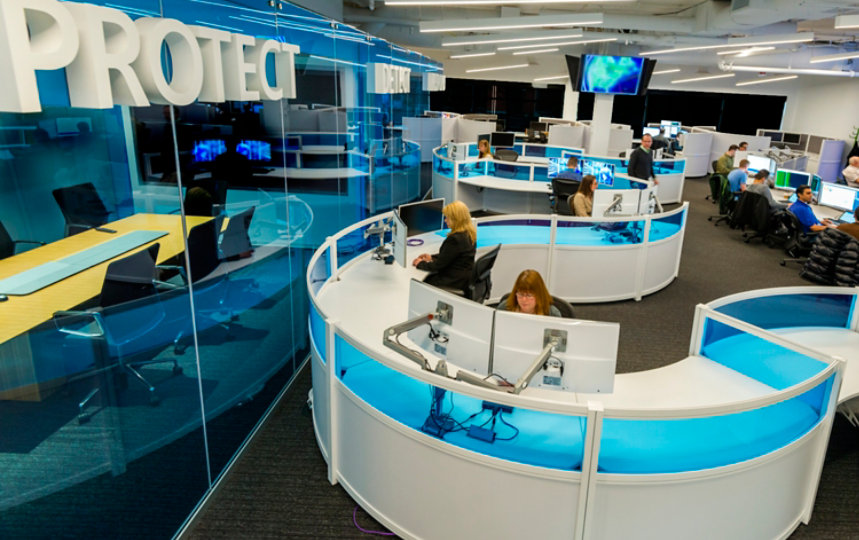

Establish an effective Cyber Defense Center to protect your organization. Learn key strategies for building robust cyber defenses.
Establishing an effective Cyber Defense Center is no small feat. It requires more than just buying tools; it demands a strategic approach, skilled personnel, and continuous process refinement. From my real-world experience, the journey involves a careful balance of proactive measures and reactive capabilities. A well-run Cyber Defense Center acts as the central nervous system for an organization’s security posture, monitoring threats, responding to incidents, and preventing future attacks. It’s a critical investment, especially in today’s complex threat landscape, where adversaries are constantly evolving their tactics.
Key Takeaways
- A Cyber Defense Center serves as the central hub for organizational security.
- Success depends on a blend of people, processes, and technology, not just tools.
- Strong leadership and clear mandates are crucial for its effective operation.
- Threat intelligence is vital for proactive defense and informed decision-making.
- Incident response capabilities must be well-defined, practiced, and agile.
- Continuous training and skill development for security staff are indispensable.
- Effective communication channels internally and externally are fundamental.
- The Cyber Defense Center must evolve with new threats and technologies.
Foundational Pillars for Your Cyber Defense Center
Building a solid foundation is paramount. This starts with defining the mission and scope of your Cyber Defense Center. What threats will it primarily address? What assets will it protect? Clear answers shape its structure and capabilities. A robust security framework, like NIST CSF or ISO 27001, provides a structured approach. It helps align security efforts with business objectives and regulatory requirements. Many US organizations benefit from these established guidelines.
Critical components include security monitoring, threat intelligence, incident response, and vulnerability management. Each pillar must have defined processes and responsibilities. For example, security monitoring gathers logs and alerts, feeding into an analytics platform. Threat intelligence provides context on adversary tactics, techniques, and procedures (TTPs). This information allows the center to anticipate attacks rather than just reacting to them. Regular risk assessments also help prioritize efforts and resources.
Building a Skilled Team for the Cyber Defense Center
People are the most valuable asset in any Cyber Defense Center. Recruiting and retaining skilled cybersecurity professionals is a significant challenge. A diverse team with varied skill sets — from security analysts to incident responders and threat hunters — is essential. Technical expertise must be complemented by critical thinking, problem-solving abilities, and strong communication skills.
Ongoing training and professional development are not optional; they are vital. The threat landscape changes rapidly, and your team must keep pace. This includes certifications, workshops, and participation in industry events. Cultivating a culture of continuous learning and knowledge sharing within the team strengthens collective capabilities. Empowering team members and fostering a sense of ownership contributes significantly to morale and effectiveness.
Implementing Robust Technology and Processes within the Cyber Defense Center
The right technology stack underpins efficient operations. This typically includes a Security Information and Event Management (SIEM) system for log aggregation and correlation. Endpoint Detection and Response (EDR) solutions provide visibility into host activity. Threat intelligence platforms integrate external feeds with internal data, enriching alert context. Automation and orchestration tools, like SOAR (Security Orchestration, Automation, and Response), can streamline repetitive tasks.
However, technology alone is insufficient. Well-defined processes dictate how tools are used and how the team responds to incidents. Standard operating procedures (SOPs) ensure consistency and efficiency. Incident response playbooks guide responders through various scenarios, from initial alert to containment, eradication, and recovery. Regular testing of these processes, through tabletop exercises or simulated attacks, identifies gaps and areas for improvement.
Continuous Improvement and Adaptation for Security
The cyber security landscape is dynamic. What works today may not be sufficient tomorrow. Therefore, a Cyber Defense Center must embrace a philosophy of continuous improvement. This involves regularly reviewing performance metrics, such as mean time to detect (MTTD) and mean time to respond (MTTR). Post-incident reviews are crucial for learning from every event, successful or not.
Regularly evaluate new technologies and methodologies. Threat actors are always innovating, so your defenses must evolve accordingly. Feedback loops from incident response to threat intelligence and vulnerability management ensure that lessons learned strengthen the overall security posture. Adapting to new threats and technologies keeps the organization resilient against emerging risks. This proactive adaptation is key to long-term cyber defense success.


