Foundation Renewal: Fixing Cracks for Structural Stability

Foundation Renewal: Fixing Cracks for Structural Stability
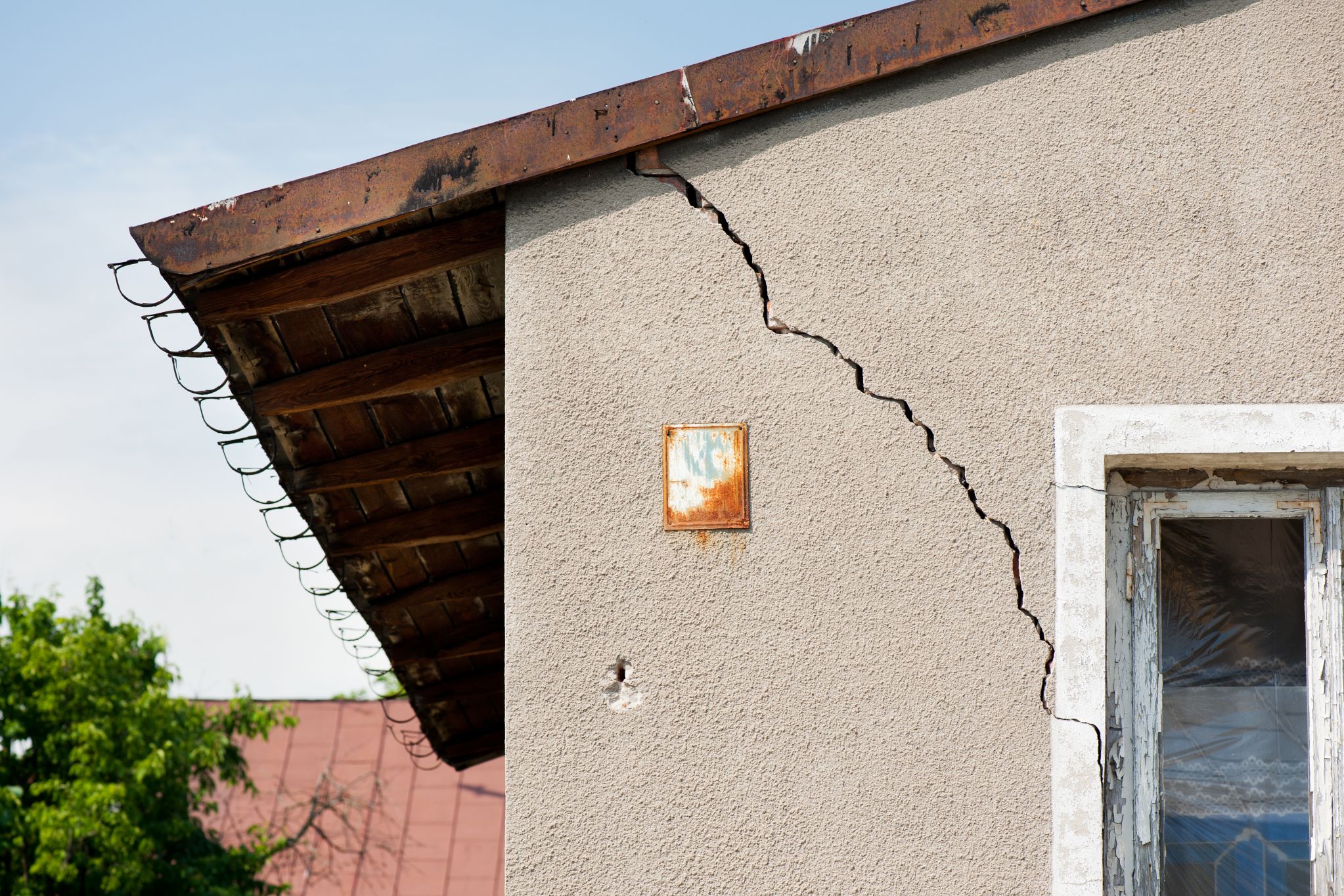
Cracks in a foundation can be a cause for concern, potentially leading to more significant structural issues if left unaddressed. In this guide, we’ll delve into the reasons behind cracked foundations and explore effective ways to repair them, ensuring the stability and longevity of your home.
Understanding the Causes of Foundation Cracks
Before tackling the repair process, understanding the root causes of foundation cracks is essential. Common factors include soil settlement, poor drainage, extreme weather conditions, or improper construction. Identifying the underlying cause helps determine the most suitable approach for repairing the cracked foundation.
Inspecting and Assessing the Damage
Begin the repair process by thoroughly inspecting and assessing the extent of the foundation damage. Look for visible cracks, both on the exterior and interior walls. Measure the width and length of the cracks, as this information will guide you in selecting the appropriate
Fixing a Cracked Foundation: Essential Tips for Stability

Introduction: Addressing Cracks in Your Foundation
Discovering cracks in your foundation can be alarming, but with the right knowledge and actions, you can ensure the stability of your home. In this guide, we’ll explore essential tips for repairing a cracked foundation and preserving the structural integrity of your property.
Understanding the Causes of Foundation Cracks
Identifying Common Culprits
Foundation cracks can result from various factors, including soil settlement, water damage, or even natural shifts in the earth. Understanding the root cause is crucial for implementing effective repairs.
Signs of Foundation Issues
Look out for signs such as visible cracks, doors or windows sticking, or uneven floors. These indicators can help you assess the severity of the foundation damage and guide your repair approach.
Assessing the Severity of Cracks
Distinguishing Between Minor and Major Cracks
Not all foundation cracks are created equal. Hairline cracks may be superficial, while wider or diagonal
Revitalize Your Space: Painting Ideas for the Living Room

Introduction: A Splash of Color for Your Living Room
The living room is the heart of your home, and a fresh coat of paint can breathe new life into this central space. In this guide, we’ll explore creative ideas and essential tips to inspire your living room transformation through the power of paint.
Choosing the Right Color Palette
Understanding Your Style
Begin by understanding your personal style and the atmosphere you want to create in your living room. Whether it’s a cozy retreat, a vibrant gathering space, or a serene oasis, your color palette should reflect your vision for the room.
Considering Natural Light*
Take into account the natural light that enters your living room. Light plays a significant role in how colors appear. Rooms with ample sunlight can accommodate both bold and muted tones, while rooms with limited light may benefit from lighter shades to enhance brightness.
Exploring
Solve the Sway: How to Repair a Sagging Door

Introduction: The Annoyance of a Sagging Door
A sagging door not only compromises the aesthetics of your home but also brings functional inconveniences. Fortunately, resolving this issue doesn’t always require professional assistance. In this guide, we’ll walk you through the steps to fix a sagging door and restore both form and function to your entryways.
Assessment: Identifying the Culprit Behind the Sag
Before diving into the repair process, it’s essential to understand what’s causing the door to sag. Inspect the hinges, screws, and overall alignment. Sagging doors are often a result of worn-out hinges, loose screws, or settling of the door frame. Identifying the root cause is the first step towards an effective solution.
Gathering Tools and Materials: The Essentials for Repair
Arming yourself with the right tools is crucial for a successful door repair. Typically, you’ll need a screwdriver, wood filler, a chisel, and longer screws. Ensuring you have
Renew Your View: Easy Steps to Replace a Window Screen

Introduction
A damaged or outdated window screen can compromise the aesthetics and functionality of your windows. Fortunately, replacing a window screen is a relatively simple DIY task that can instantly improve your view and enhance your home’s curb appeal. In this guide, we’ll walk you through the steps to renew your view by replacing a window screen.
Assessing the Damage or Wear
Before diving into the replacement process, assess the condition of your existing window screen. Look for tears, holes, or signs of wear and determine whether the frame is still in good shape. If the damage is minimal, you might consider patching small holes. However, if the screen is significantly damaged or worn, a replacement is the most effective solution.
Measuring for the Replacement Screen
Accurate measurements are crucial for obtaining the right replacement screen. Use a tape measure to measure the height and width of the existing screen