
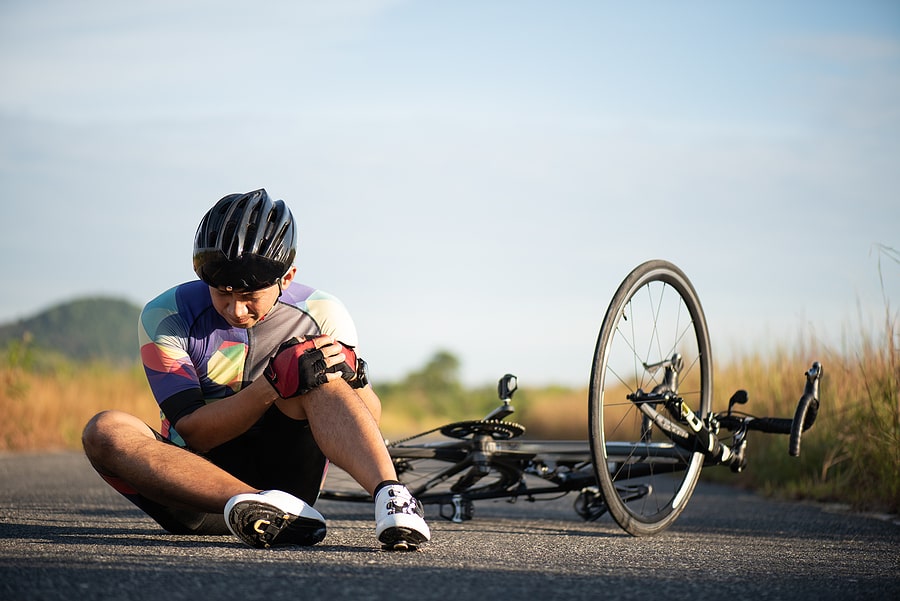

Serious cycling injuries can affect far more than the first few weeks after a collision. A bicycle accident may leave a rider needing repeated treatment, rehabilitation, home assistance, or workplace changes long after the visible wounds have healed. Understanding which conditions often require extended care helps show why the full cost of a claim may not be clear at the beginning.
Brain Injuries Can Change Daily Life for Years
Traumatic brain injuries range from persistent concussions to severe damage affecting memory, speech, judgment, balance, and emotional control. Even a cyclist who wore a helmet may suffer lasting symptoms after striking a vehicle, pavement, curb, or roadside object during a bicycle crash. Long-term care may include neurological appointments, cognitive therapy, medication management, counseling, and help with tasks that once felt routine. Family members sometimes become caregivers when the injured person cannot safely drive, manage money, prepare meals, or live alone.
Spinal Cord Damage May Create Lifelong Medical Needs
Spinal cord injuries can interrupt communication between the brain and the rest of the body. Depending on the location and severity of the damage, a bike accident victim may experience weakness, partial paralysis, complete paralysis, chronic pain, loss of sensation, or reduced control over bladder and bowel function.
Rehabilitation often involves physical therapy, occupational therapy, mobility training, and instruction on preventing pressure sores or infections. Wheelchairs, lifts, adjustable beds, accessible vehicles, and home modifications may also become necessary. Future expenses can rise as equipment wears out, physical abilities change, or aging places more strain on the body.
Complex Fractures Do Not Always Heal After One Procedure
Compound fractures, shattered joints, and breaks involving several bones may require multiple surgeries rather than a cast and a short recovery. Hardware such as plates, rods, pins, or screws can stabilize the injury, yet complications may include infection, poor bone healing, stiffness, nerve damage, and post-traumatic arthritis. Riders with severe leg, hip, shoulder, or pelvic fractures may need months of rehabilitation after a bicycle accident, followed by later procedures to remove hardware or repair worn joints.
Why Can Nerve Damage Require Ongoing Treatment?
Nerves may be stretched, compressed, cut, or torn when a cyclist lands hard, becomes pinned under a vehicle, or suffers a deep wound. Symptoms can include burning pain, tingling, numbness, muscle weakness, tremors, or loss of coordination. Unlike a simple bruise, nerve tissue may heal slowly and sometimes never regains full function.
Treatment can involve pain specialists, neurological testing, injections, medications, surgery, and therapy designed to preserve movement. Permanent nerve damage may limit a person’s ability to type, grip tools, walk safely, or perform detailed work. Those restrictions can affect earning capacity as well as independence at home.
Amputation Changes Mobility, Work, and Personal Care
Severe crushing trauma or loss of blood flow may make it impossible to save an injured limb. Amputation after a bicycle crash brings immediate surgical needs along with years of follow-up care, prosthetic fittings, skin treatment, strength training, and emotional support. Residual limb pain and phantom sensations can continue even after the surgical site heals. Prosthetic devices also require repair and replacement as body shape, activity level, and technology change.
Chronic Pain May Continue After the Original Injury Heals
Persistent pain can follow damaged joints, spinal trauma, nerve injuries, scar tissue, or major surgery. A person may appear physically recovered while still dealing with aching, burning, muscle spasms, limited movement, fatigue, and disrupted sleep.
Pain management rarely depends on one form of care. Doctors may recommend medication, therapeutic exercise, injections, counseling, nerve blocks, or additional surgery. Long-term discomfort can also affect concentration, mood, relationships, and the ability to remain active.
Insurers sometimes question conditions that cannot be seen on an X-ray or photograph. Consistent treatment records, specialist findings, medication histories, and detailed descriptions of daily limitations can help show how chronic pain developed after the bike accident and why continued care remains medically reasonable.
Internal Organ Damage Can Lead to Lasting Complications
Blunt force from a vehicle, handlebar, or pavement can injure the lungs, kidneys, liver, spleen, or digestive system. Emergency surgery may address the immediate danger, but later complications can include breathing problems, infections, reduced organ function, digestive changes, or recurring abdominal pain. Specialists may continue monitoring laboratory results and imaging for months or years after the bicycle accident.
Psychological Trauma Deserves the Same Attention as Physical Harm
A violent collision can leave a rider afraid of traffic, unable to sleep, or distressed by reminders of the event. Post-traumatic stress disorder may cause nightmares, panic attacks, irritability, avoidance, depression, or intense anxiety whenever the person hears brakes, passes the crash site, or attempts to ride again.
Recovery may involve counseling, psychiatric care, prescribed medication, and gradual exposure therapy. Emotional injuries can interfere with employment, family life, medical treatment, and physical rehabilitation, especially when fear prevents the rider from traveling independently.
Legal claims involving long-term care require more than a list of current medical bills. The Lackey Law Firm can review treatment records, physician opinions, rehabilitation plans, employment losses, equipment needs, and projected expenses connected to a serious bicycle accident. That review can help injured riders seek compensation based on the future care their condition may require, rather than only the costs already paid.


![Your Guide to Nonprofit Law [Attorney’s Name]](https://images.unsplash.com/photo-1589994965851-a8f479c573a9?fm=jpg&q=60&w=3000&ixlib=rb-4.0.3&ixid=M3wxMjA3fDB8MHxzZWFyY2h8NHx8Tm9ucHJvZml0JTIwbGF3JTIwYXR0b3JuZXl8ZW58MHwwfDB8fHwy "Your Guide to Nonprofit Law [Attorney’s Name]")