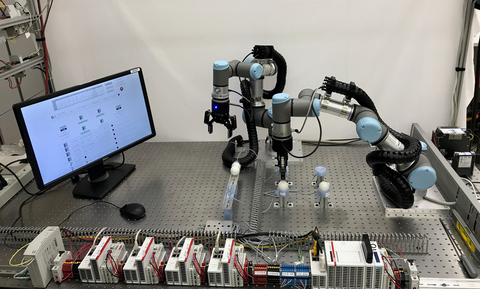
The Rise of AI-Powered Vision Systems
Quality control, for decades reliant on human inspectors, is undergoing a dramatic transformation. AI-powered vision systems are rapidly becoming the gold standard, offering unparalleled speed, accuracy, and consistency. These systems leverage advanced machine learning algorithms to analyze images and videos of products, identifying defects with a level of precision impossible for a human to maintain over long periods. They can detect minute flaws, inconsistencies in color or texture, and even subtle variations in shape – all at speeds significantly exceeding manual inspection rates. This not only boosts efficiency but also dramatically reduces the human error inherent in traditional methods.
Beyond Vision: Incorporating Advanced Sensors
While AI vision systems dominate the headlines, the revolution in quality control extends beyond the visual realm. A range of advanced sensors are now integrated into inspection processes, providing comprehensive data beyond what the human eye can perceive. This includes sensors that measure weight, dimensions, temperature, and even the internal composition of products. Data from multiple sensors can be combined and analyzed using sophisticated algorithms, creating a holistic picture of product quality. This multi-sensor approach allows for the detection of defects invisible to visual inspection, leading to a more thorough and reliable quality control process.

Predictive Maintenance through Data Analytics
The wealth of data generated by these advanced inspection methods is invaluable not just for immediate quality control but also for predictive maintenance. By analyzing trends and patterns in the data, manufacturers can anticipate potential equipment malfunctions before they occur. This allows for proactive maintenance, minimizing downtime and preventing costly production disruptions. Predictive maintenance not only increases efficiency but also improves overall product quality by ensuring that production equipment is operating at peak performance.
Blockchain Technology for Enhanced Traceability
Ensuring product authenticity and traceability is paramount in many industries. Blockchain technology, with its immutable record-keeping capabilities, offers a powerful solution. By recording every step of the manufacturing and inspection process on a secure blockchain, manufacturers can create a transparent and tamper-proof audit trail. This enhances traceability, allowing for quick identification of the source of any defects and facilitating efficient recall procedures if necessary. This level of accountability significantly strengthens customer confidence and enhances brand reputation.
Robotics and Automation: Streamlining the Inspection Process
Integrating robotics into quality control workflows allows for automated handling and inspection of products. Robots can be programmed to perform repetitive inspection tasks with speed and precision, freeing human inspectors to focus on more complex tasks requiring judgment and problem-solving. This combination of human expertise and robotic automation creates a highly efficient and flexible inspection system, adaptable to various product types and manufacturing environments. The automation also minimizes the risk of human injury associated with repetitive or physically demanding tasks.
The Human Element Remains Crucial
Despite the advancements in technology, the human element remains vital in quality control. While AI and automation can handle routine inspections, the interpretation of complex results and the identification of unusual patterns still require human expertise. The most effective quality control systems integrate technology and human oversight, leveraging the strengths of both. This synergistic approach ensures accuracy, efficiency, and a proactive approach to problem-solving. The role of human inspectors is evolving, shifting from repetitive manual tasks to more strategic roles focusing on analysis, decision-making, and continuous improvement.
The Future of Quality Control: A Continuous Evolution
The revolution in quality control is an ongoing process. New technologies and methodologies are constantly emerging, driving further improvements in accuracy, speed, and efficiency. The integration of artificial intelligence, advanced sensors, blockchain technology, and robotics will continue to reshape the landscape of quality control, enabling manufacturers to produce higher-quality products with greater efficiency and reduced costs. The future of quality control is a dynamic environment of continuous innovation, ensuring a constant push towards higher standards and greater consumer satisfaction. Please click here about inspection quality control