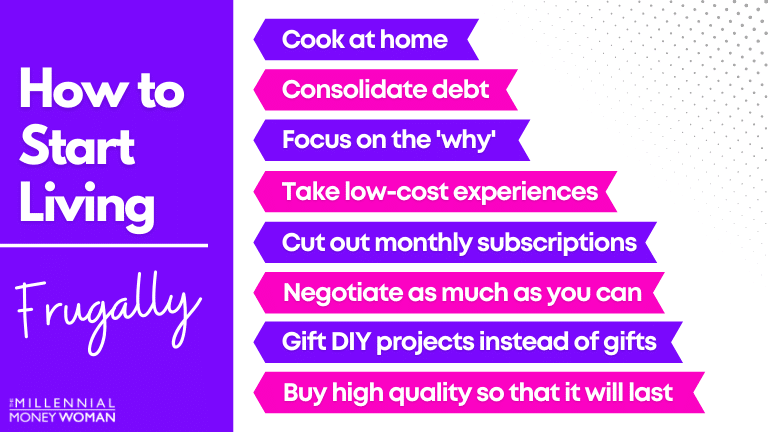
Embarking on money-saving challenges can transform the often daunting task of managing finances into an engaging and rewarding journey. Instead of viewing saving as a chore, these structured approaches inject an element of playfulness and motivation, helping individuals build healthier financial habits without feeling deprived. Whether you’re aiming for a specific purchase, building an emergency fund, or simply wanting to gain more control over your spending, a well-chosen challenge can provide the focus and momentum needed to achieve your goals.

Overview
- Money-saving challenges offer a fun way to improve financial habits and reach savings goals.
- They range from simple weekly tasks to more involved long-term strategies, fitting various lifestyles.
- Popular challenges include no-spend days, the 52-week challenge, and creative category-specific cuts.
- Engaging with these challenges can lead to increased financial awareness and reduced impulse spending.
- Setting clear goals and tracking progress are key elements for successful participation.
- Incorporating rewards for reaching milestones helps maintain motivation and makes saving enjoyable.
- Many challenges can be adapted or combined to suit individual financial situations and preferences.
Getting Started with Simple Money-Saving Challenges
For those just beginning their savings journey or looking for quick wins, simple money-saving challenges are an excellent starting point. These often require minimal planning and can yield noticeable results relatively quickly. One popular option is the “No-Spend Day Challenge.” This involves designating specific days (e.g., one day a week or a few days a month) where you commit to spending absolutely no money outside of essential, pre-planned bills. The key is to prepare meals, coffee, and entertainment ahead of time. This challenge not only saves money but also highlights unnecessary spending habits.
Another effective and easy-to-start challenge is the “Cash Only Challenge” for a specific category, like groceries or entertainment, for a week or a month. By using only physical cash, you become much more aware of each dollar spent, making overspending less likely. Many individuals in the US find this method particularly helpful in curbing impulse buys. The “Round-Up Savings Challenge” is also a passive yet powerful method: link your debit card to an app that automatically rounds up your purchases to the nearest dollar and deposits the difference into a savings account. Over time, these small amounts accumulate significantly without much effort.
Creative and Engaging Money-Saving Challenges for Everyday Life
Beyond the basics, there are numerous creative and engaging money-saving challenges that can be tailored to fit various lifestyles and preferences. The “52-Week Money Challenge” is a widely popular structured approach where you save a specific amount each week, increasing it gradually throughout the year. For example, you save $1 in week one, $2 in week two, all the way to $52 in week fifty-two, accumulating over $1,300 by year-end. This challenge builds momentum and provides a sense of accomplishment with each passing week. Alternatively, you can reverse it, starting with $52 and decreasing the amount, which can be easier during the holiday season.
Another fun approach is the “Coupon/Discount Challenge.” Commit to finding and using a coupon or discount for at least one purchase each week, or try to only buy items on sale. This encourages mindful shopping and can lead to significant savings on everyday items. The “Pantry Challenge” or “Meal Prep Challenge” focuses on reducing grocery spending by cooking meals primarily from ingredients you already have at home for a set period, thereby avoiding unnecessary trips to the store and reducing food waste. For those who enjoy a bit of competition, pairing up with a friend or family member for a “Savings Buddy Challenge” can provide mutual support and motivation, making the process more enjoyable and accountable.
Long-Term Money-Saving Challenges for Significant Goals
When bigger financial aspirations are in sight, longer-term money-saving challenges can provide the structure and discipline needed. These challenges often require a greater commitment but offer substantial rewards. The “Savings Thermometer Challenge” is a visual aid where you track your progress towards a specific large goal (like a down payment, vacation, or emergency fund) on a drawn thermometer. As you deposit money, you color in sections, providing a tangible representation of your progress and keeping motivation high over extended periods.
Another powerful long-term strategy is the “Automatic Transfer Challenge.” Set up recurring transfers from your checking account to a dedicated savings account on payday. Start with a modest amount you know you can consistently afford, and gradually increase it every few months. This “pay yourself first” method is a cornerstone of effective saving and eliminates the temptation to spend the money before it reaches your savings. For those with debt, a “Debt Snowball or Avalanche Challenge” focuses on aggressively paying down debt, which indirectly saves money by reducing interest payments over the long run. While not strictly about saving money in an account, it frees up cash flow for future savings.
Tips for Success in Any Money-Saving Challenge
Regardless of the specific money-saving challenges you choose, certain strategies can significantly increase your chances of success. First, clearly define your “why.” Knowing the purpose behind your savings – whether it’s a dream vacation, a new car, or simply peace of mind – provides strong motivation when willpower wanes. Second, track your progress. Seeing how far you’ve come can be incredibly encouraging. Use apps, spreadsheets, or even a simple notebook to log your savings and milestones.
Third, be flexible and don’t be afraid to adjust. Life happens, and sometimes you might need to pause or modify a challenge. The goal is long-term habit formation, not perfection. Fourth, reward yourself for reaching milestones. Small, non-monetary rewards (like a relaxing evening, a new book, or a special outing) can help sustain motivation without derailing your progress. Finally, make it fun! Approach these challenges with a positive mindset, perhaps by turning them into a game or sharing your journey with others. A supportive community, whether online or offline, can offer encouragement and fresh ideas, making your money-saving challenges more enjoyable and ultimately more successful.