
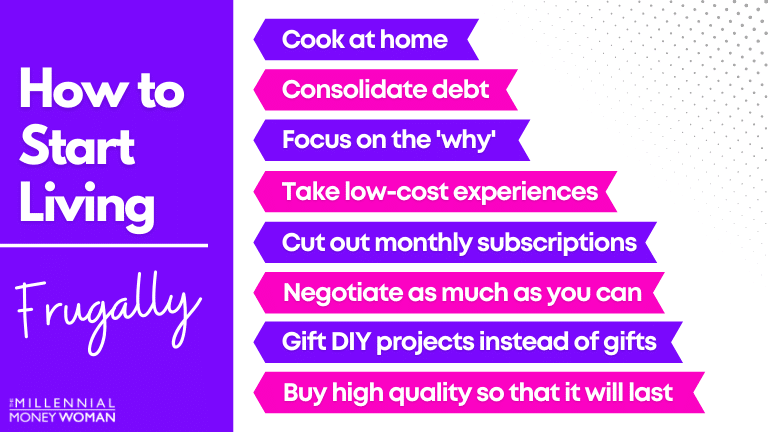
Adopting frugal living strategies for savings?
Adopting frugal living strategies is more than just cutting back; it’s about making intentional choices with your money to build a more secure financial future. For many, the goal is to increase savings, reduce debt, and gain greater control over personal finances. By consciously altering spending habits and prioritizing needs over wants, individuals can free up significant funds that can then be directed towards savings goals, whether it’s for a down payment, retirement, or simply an emergency fund. This approach cultivates financial discipline and often leads to a greater appreciation for resources and experiences over material possessions.

Overview:
- Effective frugal living strategies begin with a clear understanding of your current income and expenses.
- Creating and consistently sticking to a budget is fundamental for tracking where your money goes.
- Smart spending involves making deliberate purchasing decisions, prioritizing needs, and seeking value.
- Reducing fixed and variable household costs significantly contributes to available
Fun money-saving challenges to try this year?
Embarking on money-saving challenges can transform the often daunting task of managing finances into an engaging and rewarding journey. Instead of viewing saving as a chore, these structured approaches inject an element of playfulness and motivation, helping individuals build healthier financial habits without feeling deprived. Whether you’re aiming for a specific purchase, building an emergency fund, or simply wanting to gain more control over your spending, a well-chosen challenge can provide the focus and momentum needed to achieve your goals.
Overview
- Money-saving challenges offer a fun way to improve financial habits and reach savings goals.
- They range from simple weekly tasks to more involved long-term strategies, fitting various lifestyles.
- Popular challenges include no-spend days, the 52-week challenge, and creative category-specific cuts.
- Engaging with these challenges can lead to increased financial awareness and reduced impulse spending.
- Setting clear goals and tracking progress are key elements for successful participation.
- Incorporating rewards for
The art of minimalist financial planning?
Many individuals feel overwhelmed by the complexities of personal finance. The idea of managing budgets, investments, and debts can seem like a daunting task, leading to procrastination and stress. However, there’s a powerful alternative gaining traction: minimalist financial planning. This approach strips away the unnecessary, focusing on core principles and actions that genuinely contribute to financial well-being and peace of mind. It’s about creating a clear, manageable system that aligns with your values, rather than getting bogged down in intricate details or chasing every latest trend.
Overview
- Minimalist financial planning simplifies money management by concentrating on essential steps.
- It advocates for intentional spending and saving, aligning financial decisions with personal values.
- This approach reduces financial stress by cutting down on complex budgets and investment strategies.
- Key practices include automating savings, reducing debt systematically, and investing simply in low-cost options.
- It encourages a clear understanding of financial goals and purposeful
Budgeting IKEA Kitchen Renovation Cost Considerations
Introduction:
Planning a kitchen renovation can be an exciting yet daunting task, especially when it comes to budgeting. With the popularity of IKEA kitchens, many homeowners are drawn to their stylish designs and affordable options. However, before diving into a renovation project, it’s crucial to consider the various costs associated with revamping your kitchen space.
Understanding IKEA Kitchen Pricing:
One of the first steps in budgeting for an IKEA kitchen renovation is understanding the pricing structure. IKEA offers a wide range of kitchen products, from cabinets and countertops to appliances and accessories. Each item comes with its own price tag, so it’s essential to carefully review the costs of the components you’ll need for your renovation project.
Cost of Cabinets:
Cabinets are often the focal point of any kitchen, and they can also account for a significant portion of your renovation budget. IKEA offers a variety of cabinet styles, materials,

