
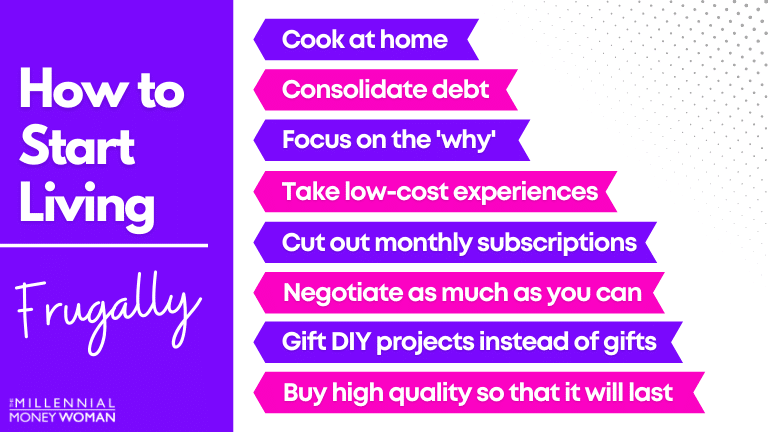

Adopting frugal living strategies is more than just cutting back; it’s about making intentional choices with your money to build a more secure financial future. For many, the goal is to increase savings, reduce debt, and gain greater control over personal finances. By consciously altering spending habits and prioritizing needs over wants, individuals can free up significant funds that can then be directed towards savings goals, whether it’s for a down payment, retirement, or simply an emergency fund. This approach cultivates financial discipline and often leads to a greater appreciation for resources and experiences over material possessions.

Overview:
- Effective frugal living strategies begin with a clear understanding of your current income and expenses.
- Creating and consistently sticking to a budget is fundamental for tracking where your money goes.
- Smart spending involves making deliberate purchasing decisions, prioritizing needs, and seeking value.
- Reducing fixed and variable household costs significantly contributes to available savings.
- Long-term financial planning, including debt repayment and building an emergency fund, is crucial for lasting financial health.
- A mindful approach to consumption and waste reduction supports both financial goals and sustainable living.
- Small, consistent changes in daily habits accumulate into substantial savings over time.
Implementing Budgeting and Tracking as Frugal Living Strategies
A cornerstone of any successful savings plan built on frugal living strategies is meticulous budgeting and expense tracking. You cannot effectively manage what you don’t measure. Begin by listing all sources of income and then meticulously categorize every expense. This includes fixed costs like rent or mortgage payments, insurance, and loan repayments, as well as variable expenses such as groceries, utilities, transportation, and entertainment. Many free apps and online tools are available in the US to help automate this process, making it less daunting. The goal is to identify areas where money is routinely spent without much thought. Once identified, these become prime targets for adjustment. For instance, you might find that small, daily purchases like coffee or snacks add up significantly over a month. Creating a budget isn’t about deprivation; it’s about allocation, directing your funds intentionally towards your financial goals. Regularly reviewing your budget, perhaps weekly or bi-weekly, helps you stay accountable and make necessary mid-course corrections, ensuring you remain on track with your savings objectives.
Adopting Smart Spending Habits as Frugal Living Strategies
Beyond mere budgeting, truly effective frugal living strategies involve a shift in spending habits. This means questioning every purchase: Is this a need or a want? Can I get a better deal elsewhere? Can I delay this purchase? One powerful habit is meal planning and cooking at home. Eating out frequently can be a massive drain on finances, while preparing meals often saves money and can be healthier. When shopping for groceries, opt for store brands, utilize coupons, and buy in bulk for non-perishable items when feasible. Another smart habit is to practice delayed gratification; instead of impulse buying, give yourself a cooling-off period before making non-essential purchases. This often reveals that the desire was fleeting. Consider the longevity and utility of items before buying them, opting for quality that lasts over cheap items that need frequent replacement. Learning basic DIY skills for home repairs or minor car maintenance can also save significant amounts compared to hiring professionals. Furthermore, exploring free entertainment options, such as public parks, libraries, or community events, can keep your leisure budget in check.
Reducing Household Expenses with Frugal Living Strategies
The home often presents numerous opportunities to apply frugal living strategies and cut down on recurring costs. Start by scrutinizing your utility bills. Simple changes like adjusting your thermostat a few degrees, unplugging electronics when not in use (phantom load), switching to LED lighting, and taking shorter showers can collectively lower electricity and water consumption. Review your subscription services – streaming platforms, gym memberships, magazine subscriptions – and cancel any that are rarely used or offer redundant services. Negotiating with service providers for internet, cable, or phone plans can also yield savings; often, simply asking for a better deal or mentioning a competitor’s offer can result in a reduced monthly bill. Transportation costs are another area ripe for savings. Can you walk, bike, carpool, or use public transport more often? Regular vehicle maintenance can prevent costly breakdowns, and shopping for cheaper car insurance rates annually is always a good idea. Even subtle shifts in how you manage your household can lead to remarkable long-term savings.
Long-Term Financial Planning Through Frugal Living Strategies
While daily adjustments are important, integrating frugal living strategies into your long-term financial planning is where real wealth creation begins. The immediate benefit is increased savings, but what you do with those savings is equally critical. Prioritize building an emergency fund that covers three to six months of living expenses. This acts as a crucial safety net, preventing debt accumulation during unexpected events. Next, tackle high-interest debt, such as credit card balances. Every dollar saved by avoiding interest payments is a dollar earned. Once an emergency fund is stable and high-interest debt is managed, focus on investing. Even small, consistent contributions to retirement accounts like a 401(k) or IRA, especially with employer matching, can grow significantly over time due to compound interest. Frugality isn’t just about saving money today; it’s about creating the financial flexibility to invest in your future, achieve major financial milestones, and ultimately gain financial independence, ensuring a more stable and less stressful tomorrow.


