
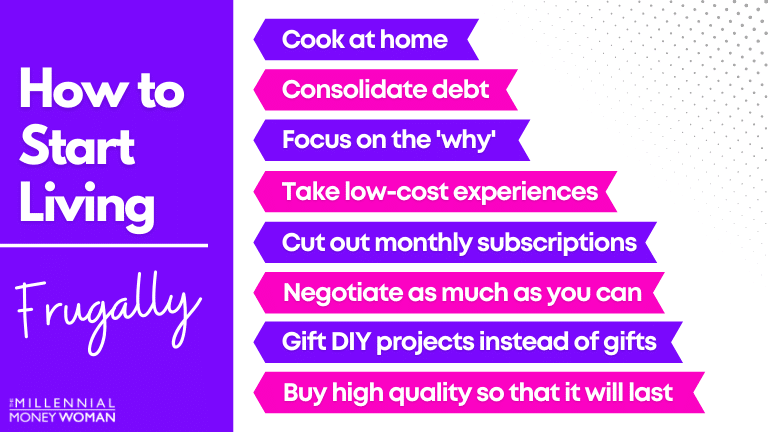
Adopting frugal living strategies for savings?
Adopting frugal living strategies is more than just cutting back; it’s about making intentional choices with your money to build a more secure financial future. For many, the goal is to increase savings, reduce debt, and gain greater control over personal finances. By consciously altering spending habits and prioritizing needs over wants, individuals can free up significant funds that can then be directed towards savings goals, whether it’s for a down payment, retirement, or simply an emergency fund. This approach cultivates financial discipline and often leads to a greater appreciation for resources and experiences over material possessions.

Overview:
- Effective frugal living strategies begin with a clear understanding of your current income and expenses.
- Creating and consistently sticking to a budget is fundamental for tracking where your money goes.
- Smart spending involves making deliberate purchasing decisions, prioritizing needs, and seeking value.
- Reducing fixed and variable household costs significantly contributes to available
The art of minimalist financial planning?
Many individuals feel overwhelmed by the complexities of personal finance. The idea of managing budgets, investments, and debts can seem like a daunting task, leading to procrastination and stress. However, there’s a powerful alternative gaining traction: minimalist financial planning. This approach strips away the unnecessary, focusing on core principles and actions that genuinely contribute to financial well-being and peace of mind. It’s about creating a clear, manageable system that aligns with your values, rather than getting bogged down in intricate details or chasing every latest trend.
Overview
- Minimalist financial planning simplifies money management by concentrating on essential steps.
- It advocates for intentional spending and saving, aligning financial decisions with personal values.
- This approach reduces financial stress by cutting down on complex budgets and investment strategies.
- Key practices include automating savings, reducing debt systematically, and investing simply in low-cost options.
- It encourages a clear understanding of financial goals and purposeful

