

Key Takeaways
- Prioritize lifestyle needs, commute times, and household routines when comparing Charlotte-area neighborhoods.
- Test actual commute routes at the times you will travel most often.
- Look for practical walkability, including sidewalks, crossings, lighting, and access to useful destinations.
- Verify exactly what “lake access” means, including waterfront, shared, deeded, or community access.
- Compare Charlotte and Lake Norman communities based on amenities, privacy, travel time, and outdoor opportunities.
- Review HOA fees, insurance, flood risk, maintenance costs, and potential development before buying.
- Visit promising neighborhoods at different times of day to understand their true character.
- Choose a location that fits your current lifestyle while remaining flexible for future needs.
Choosing a home in the Charlotte area starts with more than bedrooms, finishes, and listing photos. The right neighborhood should fit how your household actually moves through the week, from morning commutes and school drop-offs to grocery runs, evening walks, and weekend outdoor time. Buyers weighing city convenience against a Lake Norman lifestyle can benefit from a local perspective. Lake Norman real estate agents at The Dearing Team work with buyers, sellers, and relocation clients across Charlotte, Lake Norman, and nearby Carolina communities. Their website focuses on home searches, neighborhood guidance, buying and selling, and relocation services, making their local experience useful for comparing community character alongside a property’s price and features.
Start With the Way You Want To Live
Before comparing homes, outline what a typical weekday and weekend should look like. One household may prioritize a quicker trip to Uptown, SouthPark, Ballantyne, or a hospital campus. Another may be willing to drive farther in exchange for a larger yard, quieter streets, trail access, or time on the water. Write down your non-negotiables, then separate them from preferences. Consider work locations, school routines, remote-work needs, dining, parks, fitness, medical care, and how often you expect to use the lake. A neighborhood that looks ideal on a map can feel less convenient once errands and traffic become part of the routine.
Compare Commute Patterns, Not Just Mileage
Mileage alone does not describe a commute. Route choices, road construction, school traffic, accidents, and the time of day can all change a trip. Drive or map each route during the hours you expect to travel, including both the morning and afternoon return trip.
Questions To Ask Before You Commit
- Where does each household member work, study, or regularly travel?
- How many days per week is the trip required?
- Is there a practical backup route if the primary road is congested?
- Would extra space or lake access justify additional travel time?
Also consider access to I-77, local arterial roads, transit options, and frequent destinations outside work. Charlotte’s Strategic Mobility Plan provides useful context about the city’s emphasis on connected streets and transportation choices. However, future improvements should never be assumed to be complete by a certain move-in date.

Look Beyond a Walk Score
Walkability has two different meanings. Recreational walkability means a pleasant route for exercise, dog walking, or enjoying a greenway. Practical walkability means being able to safely reach everyday destinations, such as coffee, groceries, restaurants, parks, or schools, without getting in a car. During a visit, look for continuous sidewalks, marked crossings, street lighting, shade, traffic speed, and the distance between homes and useful destinations. Visit once during the day and again after sunset. A nearby retail center is not truly walkable if the route requires crossing a high-speed road or navigating missing sidewalks.
Understand What “Lake Access” Really Means
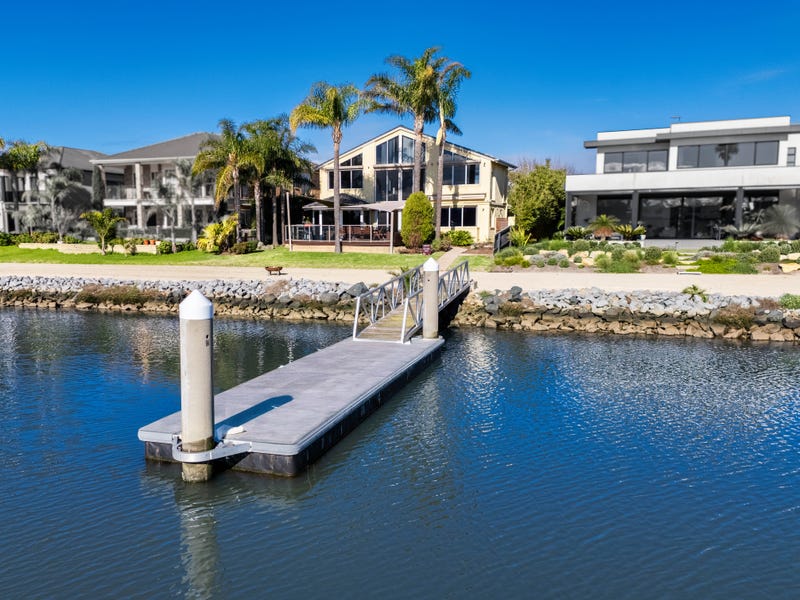
“Near Lake Norman” and “lake access” are not interchangeable descriptions. A home may be waterfront, have a water view, include a community access area, benefit from a recorded easement, or sit within a short drive of a public launch. Each option creates a different daily experience and may carry different costs or rules.
Lake Access Checklist
- Confirm the exact access included with the property, not just the neighborhood description.
- Review property lines, easements, HOA documents, and any shared-access rules.
- Ask whether a dock exists, whether it transfers, and whether changes need approval.
- Check boat storage, parking, shoreline maintenance, and privacy considerations.
- Review flood risk and obtain insurance guidance before finalizing a purchase.
Flood information should be verified for the specific parcel rather than inferred from proximity to water. Buyers can begin that review through FEMA’s Flood Map Service Center, then discuss coverage, elevation information, and insurance estimates with qualified professionals.
Compare Charlotte and Lake Norman Community Styles
There is no universal “best” area because the trade-offs are personal. Established Charlotte neighborhoods may appeal to buyers who value mature landscaping, established streets, and close access to city amenities. Lake Norman towns and communities may better suit buyers seeking outdoor recreation, water-oriented living, or more separation from Charlotte’s urban core.
- Established Charlotte neighborhoods: Often combine older housing stock, local businesses, parks, and city access.
- Lake Norman communities: May offer waterfront options, marinas, trails, and a more lake-centered rhythm.
- Mixed-use areas: Can place residences, services, dining, and public spaces closer together.
- Outer-ring new construction: May provide newer floor plans and amenities, while requiring more driving for work or errands.
Weigh Home Features Against Location Benefits
An extra bedroom, larger lot, or newer kitchen can be valuable, but location affects the home every day. Compare the cost of a larger house against the value of reduced driving, nearby parks, a usable greenway, or reliable lake access. Waterfront and water-adjacent homes may also involve additional maintenance, HOA requirements, insurance questions, and storage needs. Think ahead without trying to predict every life change. A flexible layout may matter for remote work, guests, aging parents, or a growing household. Likewise, a location with multiple route options and nearby services can remain useful even as routines change.
Check Future Growth Before Making an Offer
Ask about nearby road work, residential construction, commercial projects, schools, trails, and rezoning applications. New development can create conveniences, but it can also affect traffic, construction noise, views, and neighborhood feel. Distinguish carefully between a concept, an application, an approved project, and active construction.
Build a Simple Neighborhood Comparison List
Use the same notes for every area you tour so decisions are based on consistent information:
- Typical weekday commute at your actual travel times
- Shopping, dining, healthcare, and school access
- Sidewalk continuity, crossings, and nighttime comfort
- Lake, park, marina, trail, or greenway access
- HOA fees, restrictions, and amenity rules
- Flood, insurance, shoreline, and maintenance considerations
- Visible or planned construction nearby
- How well the location fits both current and future routines
Common Mistakes To Avoid
- Choosing a neighborhood after seeing only one home.
- Relying on a single estimated commute time.
- Assuming a water view means direct water access.
- Skipping HOA, flood, insurance, or dock-related questions.
- Ignoring future development and road projects.
- Comparing homes only by price per square foot.
A Practical Three-Step Decision Process
- Shortlist: Select three areas that match your budget, commute tolerance, and lifestyle priorities.
- Test: Visit at different times, drive the routes, and walk the streets you would actually use.
- Verify: Review disclosures, recorded documents, insurance needs, access rights, and development activity before making an offer.
Frequently Asked Questions
What should matter most when comparing Charlotte-area neighborhoods?
Your daily routine should lead the decision. Start with commute needs, budget, preferred home style, nearby amenities, and the outdoor access your household will genuinely use.
Is Lake Norman always a long commute from Charlotte?
No. Travel time depends on the exact origin, destination, route, and travel hour. Test the commute based on your own schedule rather than a single map estimate.
Does waterfront property always offer better value?
Not automatically. Waterfront living can offer meaningful lifestyle benefits, but buyers should weigh purchase price, upkeep, insurance, privacy, and access restrictions against those benefits.
Conclusion
The strongest Charlotte-area neighborhood choice is one that supports real life, not just a weekend showing. Buyers should look beyond attractive listings and consider how commute patterns, useful walkability, nearby services, outdoor amenities, and the precise type of lake access will affect everyday routines. It is also important to review property taxes, HOA obligations, maintenance needs, insurance costs, and potential development nearby. Visiting promising neighborhoods at different times can reveal traffic, noise, parking, and activity that may not be obvious during a scheduled tour. By comparing these practical factors alongside budget and long-term plans, buyers can choose a community that feels comfortable and convenient today while remaining adaptable as work, household needs, and lifestyle priorities change over time.


